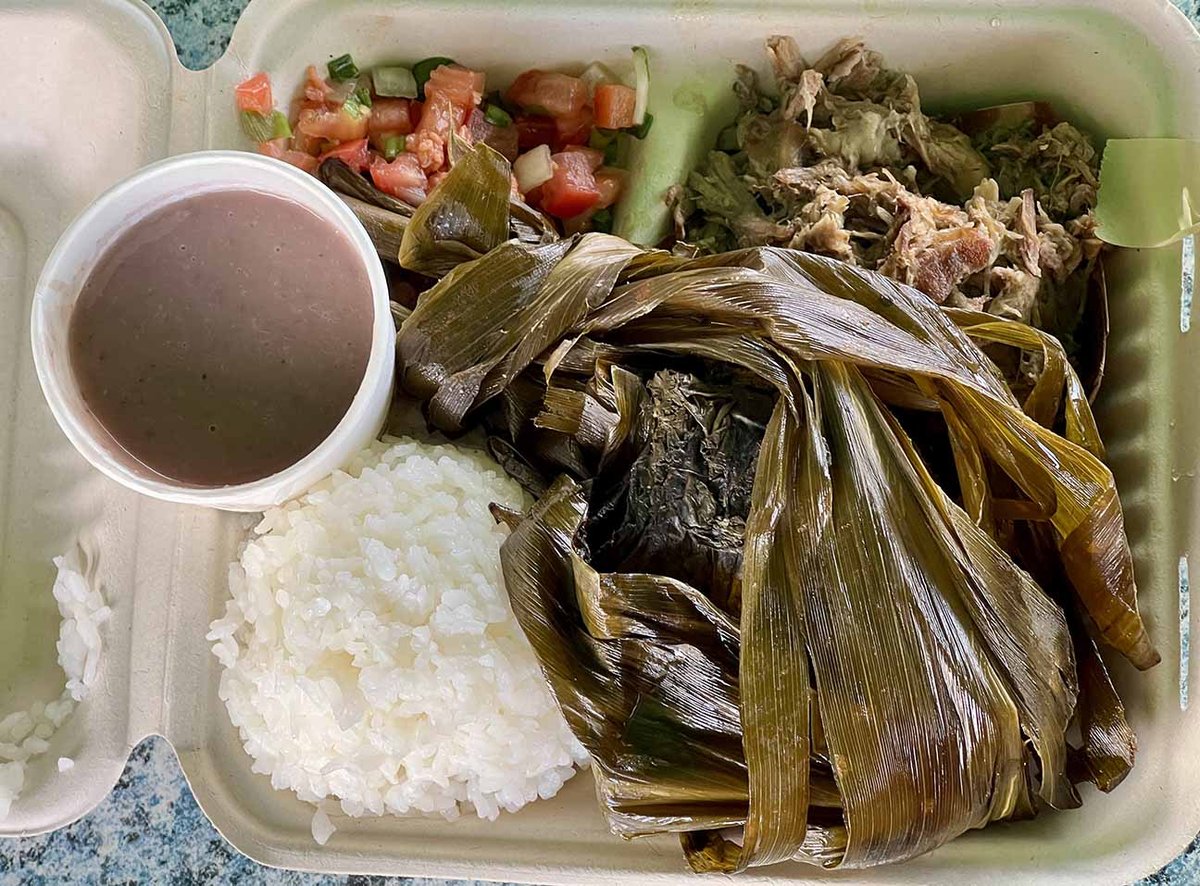
It’s a common misconception that finding truly authentic Hawaiian food in Honolulu means attending an expensive luau. While luaus offer a festive introduction, the real heart of local Hawaiian cuisine beats in family-owned eateries, bustling markets, and humble plate lunch spots scattered across the island. If you're looking to dive deep into the flavors that shaped generations, from the earthy comfort of poi to the smoky richness of kalua pig, understanding where to look and what to savor is key to experiencing authentic hawaiian food honolulu.
At a Glance: Your Guide to Hawaiian Culinary Discovery
- Define "Authentic": Learn what constitutes traditional Hawaiian food, focusing on pre-contact ingredients and cooking methods.
- Must-Try Dishes: Get acquainted with essential items like poi, laulau, kalua pig, and poke, understanding their flavors and origins.
- Top Honolulu Eateries: Discover specific, highly-rated restaurants and markets renowned for their genuine Hawaiian offerings.
- Ordering Insights: Gain practical tips for navigating menus and ordering like a seasoned local, even on your first visit.
- Beyond the Plate: Understand the cultural significance woven into each bite.
Decoding the Essence of Authentic Hawaiian Flavors
Before diving into specific recommendations, let's establish what "authentic Hawaiian food" truly means. This isn't just about taste; it's about history, ingenuity, and a deep connection to the land (ʻāina) and sea (kai). Traditional Hawaiian cuisine relies on staple foods brought by Polynesian voyagers, such as kalo (taro), ʻulu (breadfruit), ʻuala (sweet potato), and niu (coconut). Proteins predominantly featured fresh fish like ʻahi and aku, along with pork and chicken, often cooked slowly in an imu, an underground oven.
This cooking method, using banana and ti leaves to protect and steam the food, imparts a distinctive smoky aroma and verdant flavor. You'll find that Hawaiian food, unlike many other Pacific Rim cuisines, isn't typically spicy. Its magic lies in the subtle interplay of natural flavors, often enhanced by Hawaiian salt and the rich earthiness of taro or the subtle brininess of limu (seaweed). To truly appreciate the culinary diversity of the islands, including the broader influences that have shaped its contemporary dining scene, you might find it helpful to Explore Pacific Rim Cuisine for a broader perspective.
Your Essential Glossary of Hawaiian Plate Staples
Understanding the core dishes is your first step toward ordering confidently. These are the building blocks of any traditional Hawaiian meal:
- Poi: This iconic, purplish-gray paste, made from pounded taro root, is the ultimate Hawaiian comfort food. Its consistency can range from thick ("one-finger poi") to thinner ("three-finger poi"). It has a mildly tangy, earthy flavor that beautifully complements salty and savory dishes. Don't be shy; it's meant to be scooped with your fingers!
- Laulau: A masterclass in slow cooking, laulau consists of pork, chicken, or fish (or a combination) wrapped in tender taro leaves, then further encased in ti leaves, and steamed for hours. The taro leaves, when cooked properly, become melt-in-your-mouth tender, imparting a spinach-like flavor and a unique texture.
- Kalua Pig: The star of any luau, kalua pig is pork slow-cooked in an imu. The result is incredibly tender, fall-apart meat with a distinctive, smoky flavor that simply can't be replicated by conventional ovens. It's often shredded and served simply, allowing its rich taste to shine.
- Lomi Salmon: A refreshing side dish, lomi salmon is a vibrant salsa-like concoction of finely diced salted salmon, tomatoes, and sweet Maui onions. It provides a burst of fresh, tangy, and salty contrast to richer, heavier dishes.
- Poke: While modern poke bowls have taken the world by storm, traditional Hawaiian poke is simpler: cubed raw fish (often ʻahi or aku) seasoned with Hawaiian salt, limu, and ʻinamona (roasted kukui nut). It's a celebration of fresh, high-quality seafood.
- Haupia: A delightful dessert, haupia is a creamy, pudding-like treat made from coconut milk. It's subtly sweet, smooth, and served chilled, offering a refreshing end to a hearty meal.
- Pipikaula: Translated as "beef rope," pipikaula are short ribs, often marinated and air-dried before being grilled or pan-fried. They're typically chewy, savory, and packed with flavor, a Hawaiian take on beef jerky but often served as a main dish.
- Squid Luau: Don't let the name deter you; this is a rich and creamy stew made with taro leaves and squid, simmered in coconut milk. The taro leaves lose their irritating qualities when cooked, becoming tender and imparting an earthy depth. It's a true local favorite for those seeking comfort food.
- Hawaiian Plate: This is your ideal entry point, offering a sampler of many of the above dishes, typically including kalua pig, laulau, poi or rice, and lomi salmon. It's the perfect way to try a little bit of everything.
Honolulu's Culinary Hotspots for Authentic Hawaiian Food
Honolulu, as Hawaiʻi’s bustling capital, is a treasure trove of eateries that keep traditional Hawaiian culinary traditions alive. From storied institutions to bustling markets, here’s where to find your next unforgettable Hawaiian meal.
Helena's Hawaiian Food: The Timeless Institution
- Location: Kalihi, a short drive from Waikīkī.
- Why it's a must: Helena's has been serving generations since 1946 and is a revered institution, even earning a James Beard Award. This family-owned eatery is legendary for its award-winning kalua pig, which delivers an unparalleled smoky tenderness. Their pipikaula short ribs are also a standout, famously chewy and flavorful.
- What to order: For a comprehensive taste, opt for "Set Menu D." This generous plate typically includes kālua pig, lomi salmon, pipikaula short ribs, squid lūʻau, poi, and rice. Don't miss the opportunity to try 'opihi if it's available – this rare Hawai'i limpet delicacy is a true local treat. Expect a simple, no-frills setting focused entirely on exceptional food.
Highway Inn: Modern Tradition & Education
- Locations: Kaka’ako (conveniently central) and Waipahu (original location).
- Why it's a must: With over 60 years in the business, Highway Inn seamlessly blends tradition with approachability. Their Kaka'ako location is particularly welcoming for newcomers (malihini), offering a helpful "Malihini Guide to Hawaiian Food" to navigate the menu. They excel at offering both sampler plates and à la carte options, allowing you to tailor your Hawaiian feast.
- What to order: Their poke bowls are highly acclaimed, as is their tender kalua pig and refreshing lomi salmon. Many locals swear by their "best squid luau." For a full experience, their Hawaiian Combo Plates often feature laulau, beef stew, or squid lūʻau, alongside rice or poi, a choice of salad (lomi salmon, potato-mac, or greens), sweet potato (ʻuala), and a square of haupia. They pride themselves on using locally sourced ingredients, showcasing the fresh bounty of the islands.
Nico’s Pier 38: Seaside Freshness & Friday Special
- Location: Honolulu Harbor, close to the Honolulu Fish Auction house.
- Why it's a must: While famous for its fresh seafood, Nico's offers a highly sought-after traditional Hawaiian plate that draws crowds. Its proximity to the fish auction guarantees incredibly fresh ingredients. The open-air seating, vibrant bar, and live music often create a lively atmosphere.
- What to order: Every Friday, Nico's features an acclaimed Hawaiian plate special that typically includes juicy Kalua Pig, savory pork lau-lau, earthy poi, and bright limi-lomi salmon. They also offer other Hawaiian plate variations throughout the week, sometimes featuring pork belly, chicken, poke, or even vegan options.
- Insider Tip: Head there early for lunch to beat the lines, especially on Fridays. Their Kalua Pig is consistently praised for being exceptionally juicy and flavorful.
Ono Hawaiian Food: Hearty Home-Style Portions
- Location: Kapahulu Avenue, a vibrant local neighborhood.
- Why it's a must: Ono Hawaiian Food is a beloved family-owned and operated spot that embodies the spirit of home-style Hawaiian cooking. Expect generous portions and a menu focused on delivering classic dishes with warmth and authenticity. The Hawaiian-themed decor adds to the immersive experience.
- What to order: Favorites include the savory pipikaula, smoky kalua pig, and sweet haupia. Their combo plates offer a hearty sampling of these and other traditional fare, ensuring you leave satisfied.
Oʻahu Grill: Chef Johnny's Molokaʻi Roots
- Location: A welcoming neighborhood restaurant.
- Why it's a must: Chef Johnny, hailing from Molokaʻi, brings a deep respect for traditional Hawaiian cooking to Oʻahu Grill. His philosophy centers on simple ingredients, emphasizing pure flavors without unnecessary additives or sugar, and relying on the perfect pinch of Hawaiian salt. This approach results in clean, authentic tastes.
- What to order: You'll find common dishes like pork laulau, kālua pig, squid lūʻau, and chicken long rice, all served with rice or poi, lomi salmon, and haupia. Oʻahu Grill also features unique offerings like tripe stew, salt meat with watercress, crispy pork belly, smoked meat, and island cobb salad. For groups, their value ʻOhana Packs are ideal, feeding 4-10 people with a selection of their best dishes.
Fort Ruger Market: The Grab-and-Go Local Favorite
- Location: On the way to Diamond Head, convenient for quick stops.
- Why it's a must: For a taste of authentic Hawaiian food on the go, Fort Ruger Market is an unbeatable local gem. It's renowned for its fantastic selection of fresh poke and customizable Hawaiian plates, perfect for a picnic or a quick, delicious meal.
- What to order: Their poke selection is extensive, featuring various marinated raw fish options like ahi, hamachi, and tako. The Ahi Ginger Poke comes highly recommended. You can also build your own Hawaiian plate by choosing a protein like laulau, kālua pig, pipikaula, or beef stew, and pairing it with sides such as lomi salmon, squid lūʻau, and rice. They also offer reliable shoyu chicken plate and mac salad.
- Actionable Insight: Grab your plate and head to nearby Kapiʻolani Park or Queen’s Surf Beach for a scenic outdoor meal.
Waiahole Poi Factory: The Poi Pilgrimage
- Location: Waiahole, about 45 minutes from Waikīkī on the scenic drive to the North Shore.
- Why it's a must: While a bit of a drive from central Honolulu, the Waiahole Poi Factory offers a truly authentic cultural food experience that supports local farmers. It’s a historic, family-owned venue where you can witness the traditional preparation of poi and taste it at its absolute freshest.
- What to order: Their poi is legendary, prepared on-site from taro sourced from a nearby valley. You can enjoy it solo or paired with savory sides like kālua pig, which provides a delicious balance to the poi's subtle tang. Their Combo Plates are also excellent, featuring options like laulau, beef lūʻau, chicken long rice, or squid lūʻau, served with your choice of rice or poi, lomi salmon, and haupia. It’s more than just a meal; it's a connection to Hawaiʻi's agricultural heritage.
Navigating Your First Authentic Hawaiian Meal
Ordering traditional Hawaiian food for the first time can feel a bit daunting, but with a few pointers, you'll be enjoying the local flavors like a pro.
- Start with a Hawaiian Plate: Many restaurants, especially those catering to a broader audience, offer a "Hawaiian Plate" or "Combo Plate." This is the easiest way to sample several essential dishes (kalua pig, laulau, lomi salmon, poi/rice, haupia) without committing to a single item.
- Embrace Poi: Poi is truly a foundational Hawaiian food. If its unique texture or taste is new to you, try it with a bite of kalua pig or lomi salmon. The saltiness of the protein helps to balance the poi's earthy tang.
- Ask Questions: Don't hesitate to ask your server for recommendations or descriptions. Local eateries are often proud of their heritage and happy to guide you.
- Family Style is Key: Many Hawaiian dishes are best enjoyed family-style. Order a few different plates to share, allowing everyone to taste a wider variety.
- Don't Expect Spiciness: Traditional Hawaiian food generally isn't spicy. The flavors are subtle, rich, and often savory or sweet, derived from natural ingredients and slow cooking.
Quick Answers to Common Hawaiian Food Questions
Is all Hawaiian food spicy?
No, traditional Hawaiian food is not generally spicy. The flavors come from natural ingredients like taro, coconut, and specific cooking methods, often enhanced by Hawaiian salt. If you encounter spice, it's typically a modern influence.
What's the difference between traditional poke and modern poke?
Traditional Hawaiian poke is simple: cubed raw fish (usually ahi or aku) seasoned with Hawaiian salt, limu (seaweed), and ʻinamona (roasted kukui nut). Modern poke, often seen in poke bowls, includes a wider array of marinades (shoyu, spicy mayo), toppings (avocado, edamame), and bases like rice. Both are delicious, but traditional poke celebrates the purity of the fish and indigenous seasonings.
Can I find vegetarian or vegan Hawaiian food?
Yes, absolutely! Many traditional ingredients are plant-based. You can enjoy poi (taro), ʻuala (sweet potato), ʻulu (breadfruit), limu (seaweed), and haupia (coconut pudding). Look for dishes like "vegetable laulau" or "luau stew" made with taro leaves and coconut milk (ensure no meat is added). Ask if dishes can be made without meat or fish.
Why do some Hawaiian dishes taste salty?
Hawaiian salt (paʻakai) is a crucial ingredient in traditional Hawaiian cooking, used not just for flavor but also for preservation. It brings out the natural tastes of pork, fish, and other ingredients, providing a distinctive depth. This saltiness is meant to be balanced by other elements, such as the starchiness of poi or the sweetness of sweet potato.
Your Culinary Journey Starts Here
Honolulu is more than just a beautiful beach destination; it's a vibrant cultural hub where the flavors of the past continue to thrive. By seeking out these specific establishments and understanding the essence of what makes authentic hawaiian food honolulu so special, you're not just enjoying a meal—you're participating in a rich culinary heritage. Go forth, explore, and savor the tastes that define Hawaiʻi.